THE RESULTS OF THE YOUTH FORUM OF THE SOVETSKY DISTRICT OF MINSK “SOVIET MEANS THE BEST” IN NESVIZH
01.10.2026
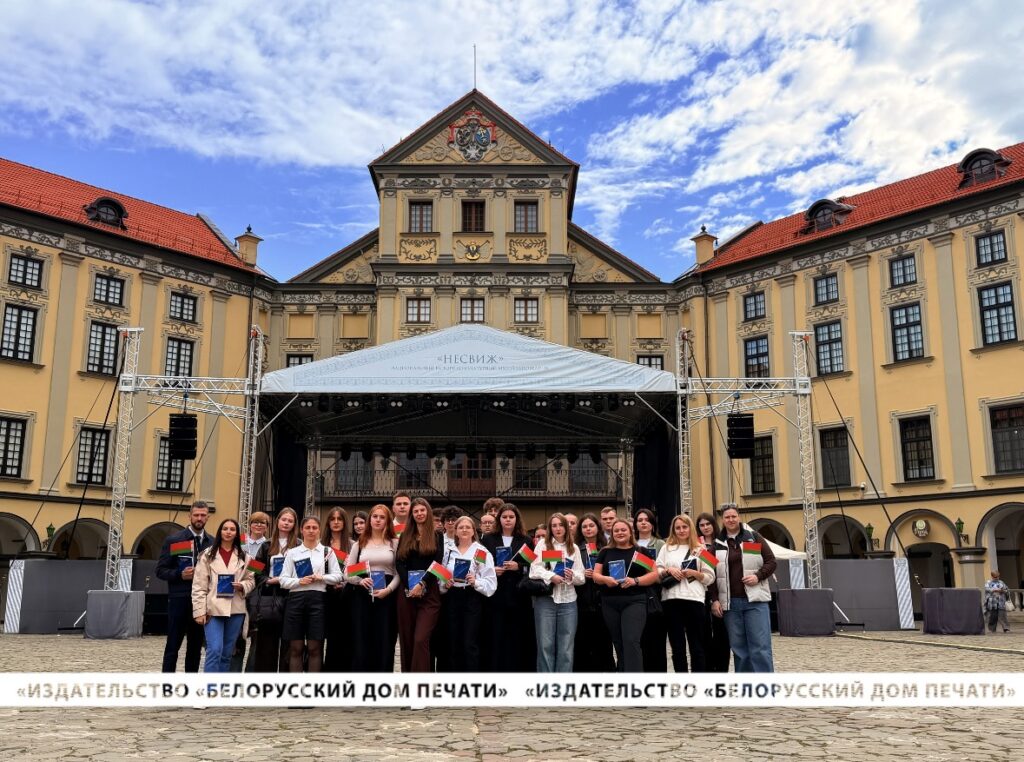
Yesterday, the Youth Forum “Soviet means the best” was held in Nesvizh, organized by the administration of the Sovetsky district of Minsk. The event brought together young people from educational institutions, organizations and enterprises of the district around issues of preserving historical memory, cultural heritage and the continuity of generations.
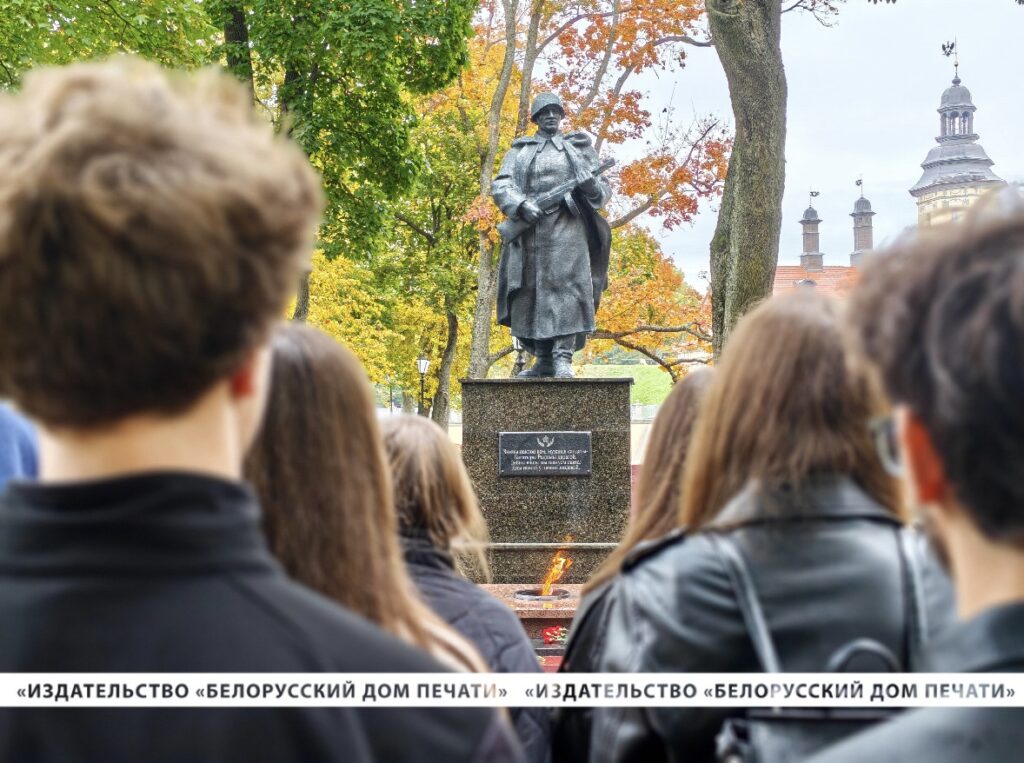
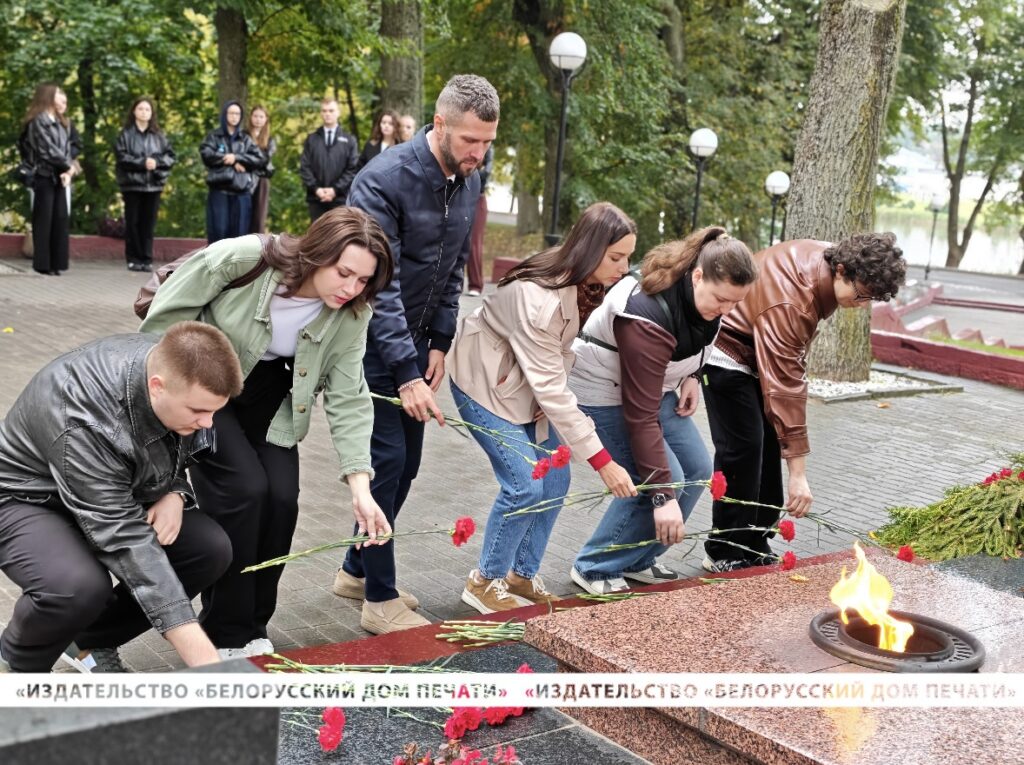
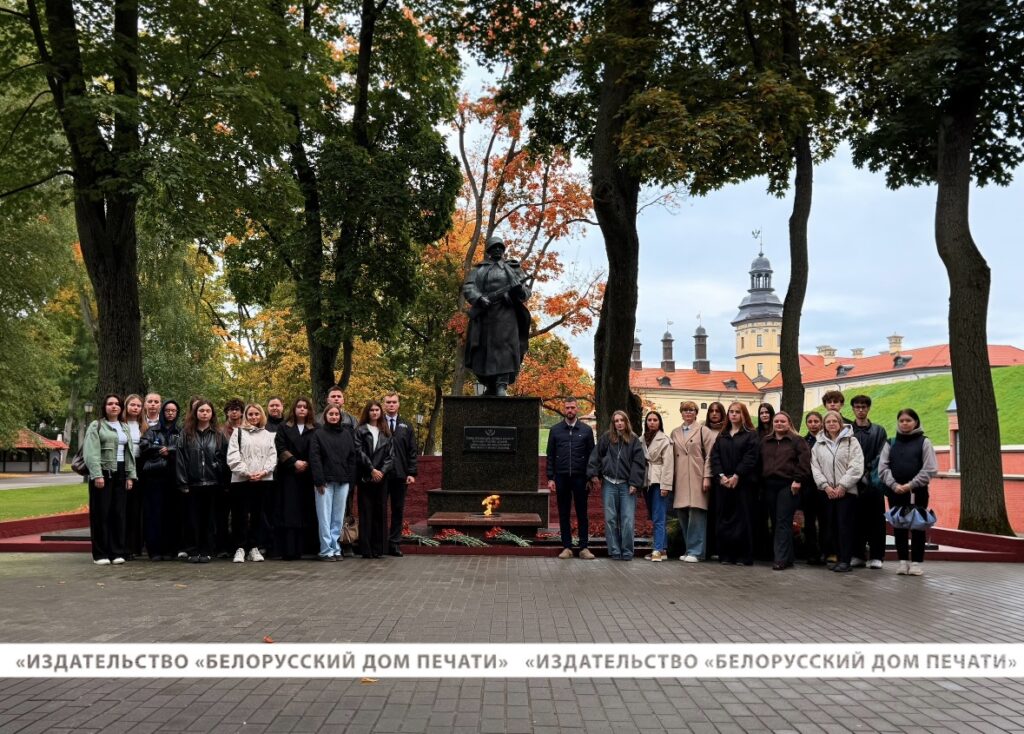
The program of the forum was rich and informative. The participants laid flowers at the Mass Grave of Soviet soldiers and partisans in Antonia Park in Nesvizh, honored the memory of those who contributed to the liberation and defense of the Motherland.
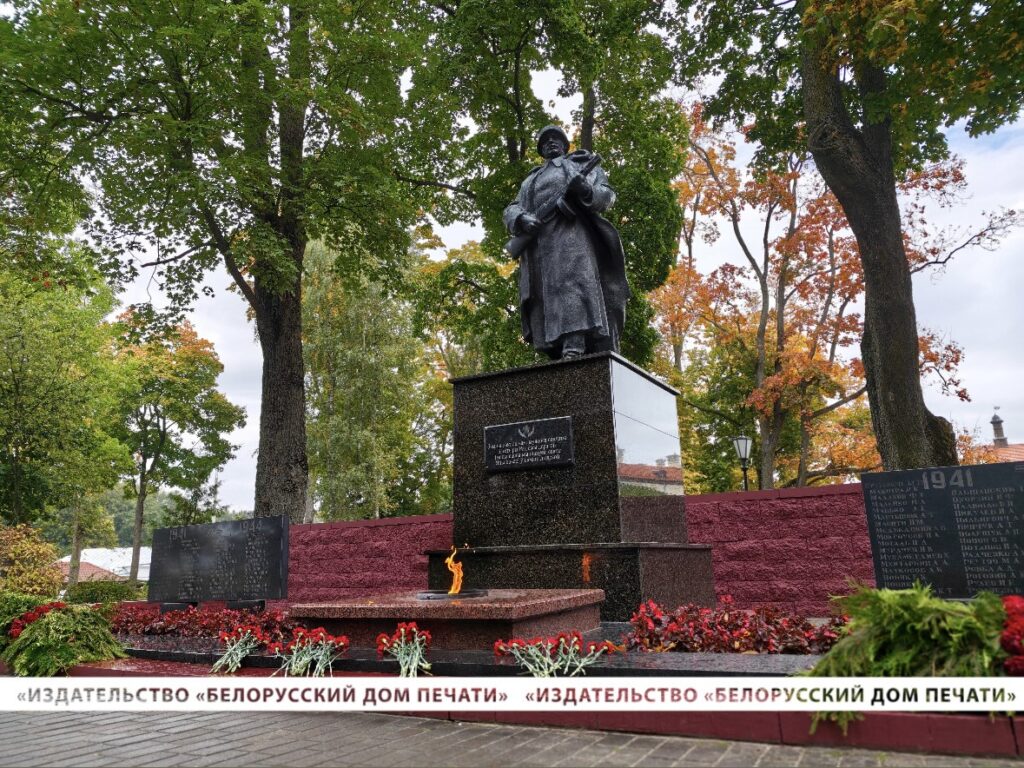
The historical monument was erected in 1958. The mass grave of Soviet soldiers and partisans on the territory of Antonia Park near Nesvizh Castle is a historical monument. 135 soldiers and partisans who died in battles against the Nazi invaders in 1941-1944, or died of their wounds in a hospital from 1944 to 1945, were buried there.
In 1958, a monument was erected on the grave of Soviet soldiers and partisans – a sculpture of a soldier with a machine gun. Steles with the names of the dead were erected near the sculpture, and an Eternal Flame was lit at the foot of the pedestal with the sculpture. There is a commemorative inscription on the pedestal in the Belarusian language: “Zyamny paklon To you, the husband of Saldaty –
Bagatyr Radzima daraga. We keep your names holy, and we will keep them forever in human memory.”
Among those buried are soldiers of the 193rd Infantry Division of the 105th Infantry Corps and the 251st Tank Regiment of the 65th Army of the 1st Belorussian Front, who liberated the city of Nesvizh.
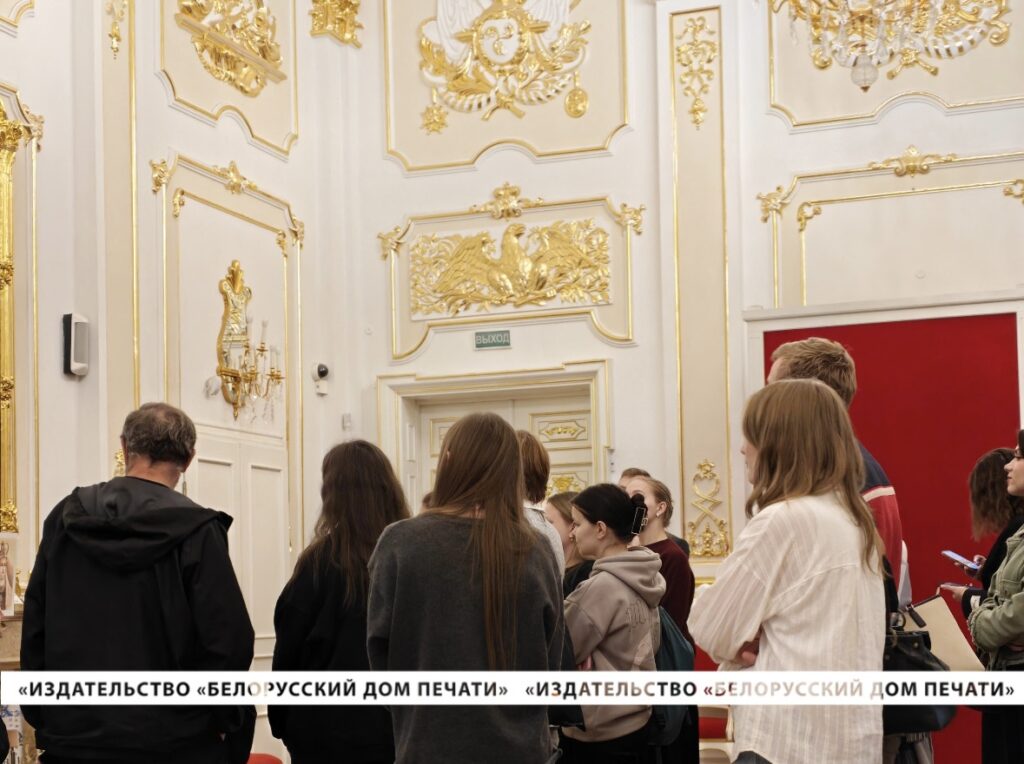
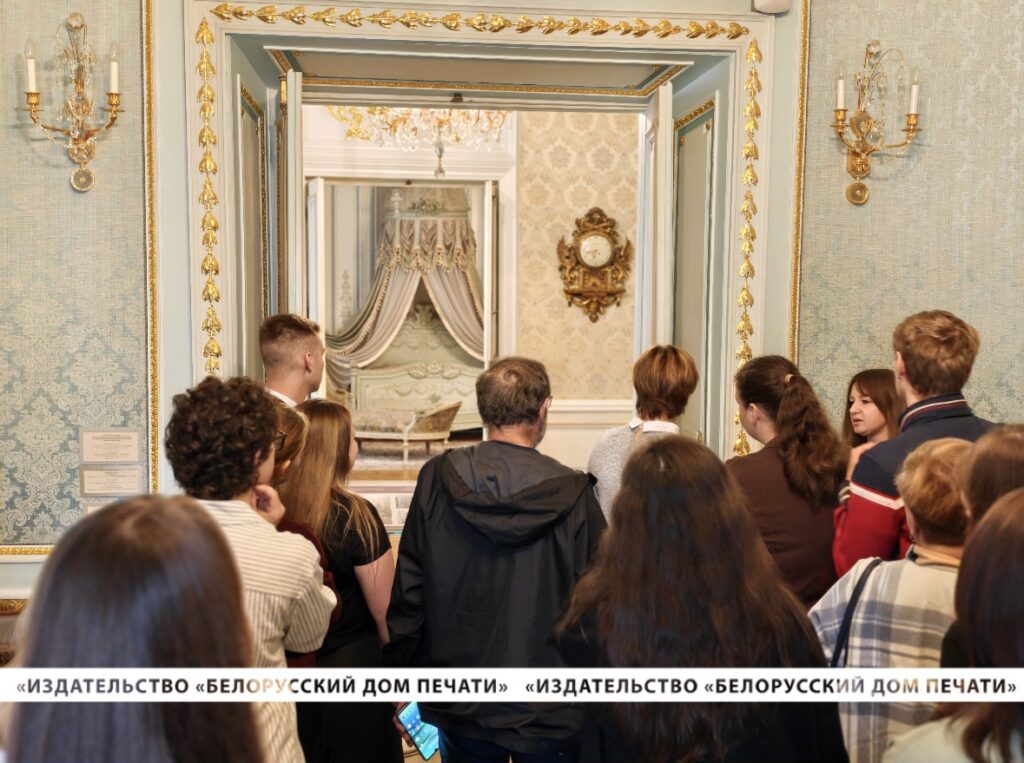
After that, we visited the Nesvizh Castle National Historical and Cultural Museum-Reserve.
Nesvizh Castle is rightfully considered one of the most famous historical and cultural monuments of Belarus, and is one of the UNESCO World Heritage Sites. The castle was founded in the 16th century and for many centuries was the residence of the powerful Radziwill family. The architectural ensemble of the castle combines features of different eras and styles, which makes it especially interesting to explore and visit. Here you can see majestic buildings, courtyards, towers, as well as a picturesque park that surrounds the palace complex. Today, Nesvizh Castle is not only an important historical site, but also a popular tourist destination. It is visited to get acquainted with the rich history, see the unique architecture and feel the atmosphere of the past. Nesvizh Castle rightfully occupies a special place in the cultural heritage of Belarus.
One of the key events of the forum was a dialogue platform on the topic “Cultural heritage: the view of the young.” During the meeting, the participants talked about the importance of cultural heritage in modern society, the role of young people in its preservation and popularization, as well as how a careful attitude towards the history of their country is formed. Special attention was paid to the fact that it is young people who are becoming an important force today, able not only to preserve traditions, but also to rethink their meaning.
The dialogue took place in a lively and constructive atmosphere. The participants shared their opinions, asked questions, and offered their ideas and approaches to involving young people in the study and promotion of cultural heritage. The format of the open conversation allowed everyone to express their point of view and feel personally involved in the preservation of historical memory.
Such meetings contribute to the formation of civic responsibility, respect for the past and interest in the cultural values of their country. The dialogue platform became an important and meaningful stage of the forum, confirming that the topic of heritage is really close and significant for the younger generation.
Anton Paveliev, Head of the Ideological Work Sector, member of the Youth Council under the administration of the Sovetsky district of Minsk, took part in the forum on behalf of the State Enterprise Belarusian Printing House Publishing Co.
The Forum has become an important platform for lively dialogue, exchange of views and strengthening the interest of young people in the history and cultural heritage of the country.